Figure 1.
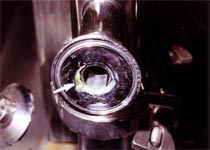
Figure 2.
Background
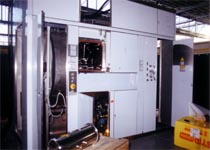
A pharmaceutical company commissioned a sterilisation equipment supplier to manufacture a vial stopper washer and sterilising unit similar to the one shown in figure 1. The unit had been constructed of type 316L stainless steel with an electropolished finish on all product contact surfaces.
During the Factory Acceptance Tests, the presence of white coloured deposits were noticed inside the main chamber and associated pipework. Subsequent inspections of other parts of the system revealed a quantity of white crystalline deposits inside the nozzles. The examination also revealed evidence of heavy etching of the welds and isolated pitting. Pitting was also observed on the inside surface of the main spray chamber vessel.
Findings
Enspec were commissioned to investigate the white compound and the nature and cause of the corrosion attack. The white crystalline deposits were found to be residues from the acid pickling/passivation procedures. The pattern of etch-staining from the nozzles confirmed that acid residue had become entrapped in the nozzle upstands. This resulted in localised corrosion attack in the form of pitting and preferential etching as a result of prolonged exposure to the acid residue.
A subsequent investigation of the unit revealed further evidence of acid residue entrapment and crystallisation in some of the Tri-clover fittings, such as that shown in figure 2. The presence of a light-green coloured crystal deposit indicated the presence of chromium, nickel or iron salts, which are products of a stainless steel corrosion mechanism. The results of the investigation indicated that the primary cause of the corrosion was the overexposure of the electropolished surfaces to the acid residue.
In this particular case, the pickling and passivation had been carried out by a subcontractor, who was supposed to be experienced with chemical treatment procedures utilising mixtures of acids. It was clear that these acid-based pickling compounds had not been washed off the surfaces properly.
Key Point
- It is absolutely essential that all traces of pickling and passivation chemicals be removed from the surface of the metal within a pre-defined timescale, and in accordance with the supplier's instructions. Particular attention should be paid to the equipment manufacturers manufacturing procedures to ensure that they are both adhered to and implemented properly.